
Stop the Struggle: 7 Proven Kids Meditations for Patience (2026)
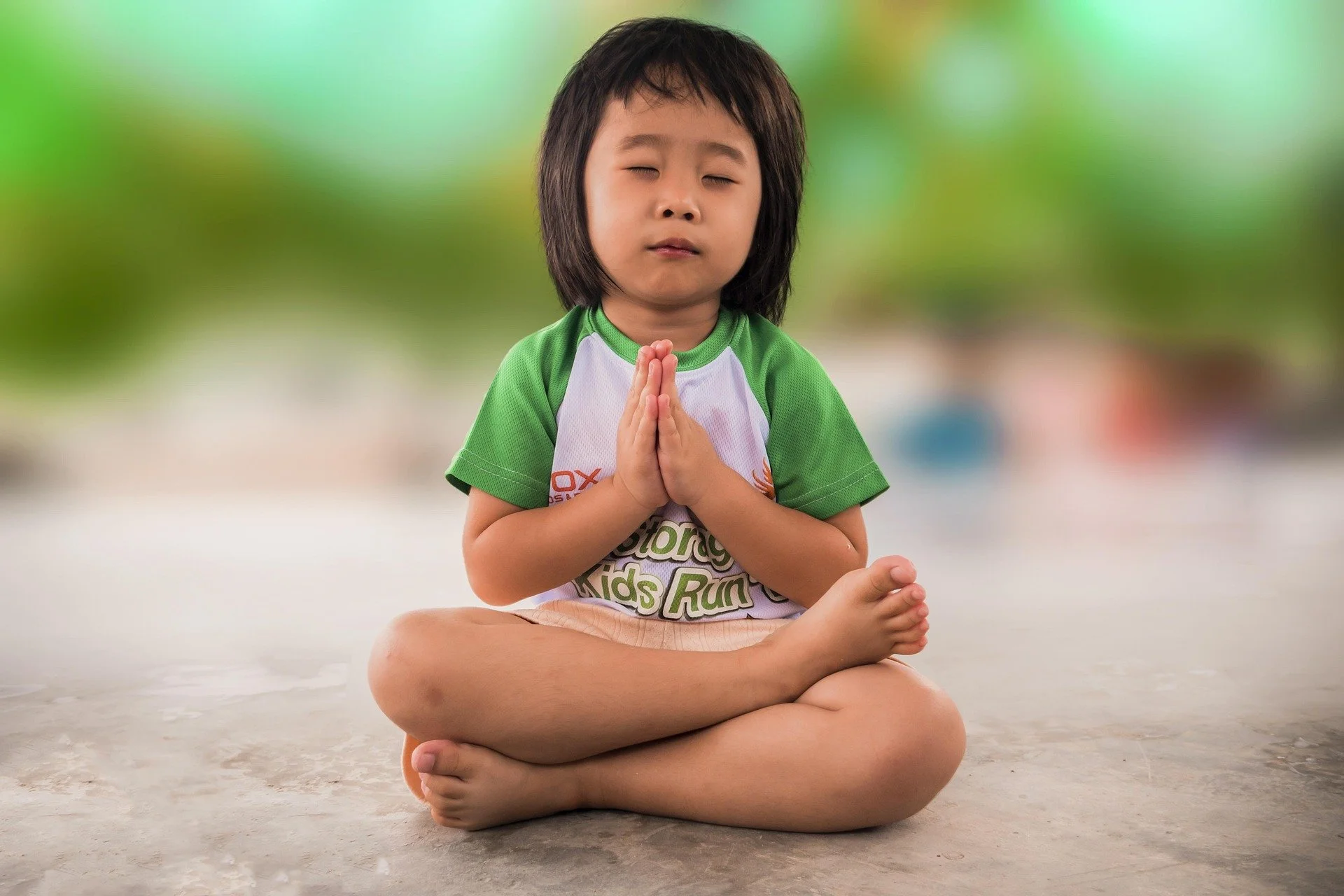
Teaching a child to wait can feel like an uphill battle. Whether it’s waiting for a turn on the slide or counting down the days until a birthday, “right now” often feels like the only speed children understand. That impatience is completely natural for developing brains but for parents, it can create stressful moments throughout the day. As parents, we want to give our children tools to manage these big emotions in a healthy way. By introducing kids meditation for patience, we help them build emotional awareness early on. This skill doesn’t just make daily life calmer; it supports long term success in school, friendships, and self confidence.
5 Reasons Why Kids Should Practice Meditation for Patience
Patience is not about forcing children to sit still. It’s about helping themstay calmwhile things take time. Here’s why adding mindfulness to your child’s routine can make a real difference.
1: It Regulates the Nervous System
When a child becomes impatient, their body often shifts into stress mode. Their heart rate increases, frustration builds, and a meltdown can follow. Meditation activates the parasympathetic nervous system the body’s natural calming response helping children feel safe and steady while they wait.
Medical research from the Mayo Clinic shows that mindfulness practices can reduce cortisol levels, making it easier for children to manage stress and emotional reactions.
2: It Improves Focus and Attention Spans
In a world filled with instant entertainment, children rarely practice sustained attention. Mindfulness gently strengthens focus. When kids stay present during short activities like those shared in they become better prepared to concentrate in classrooms and everyday tasks.
Studies published by the National Institutes of Health (NIH) suggest that even brief mindfulness sessions can improve attention, emotional regulation, and cognitive flexibility in school aged children.
3: It Develops Emotional Resilience
Impatience often comes from feeling overwhelmed by strong wants or expectations. Through breathing and awareness, children learn that emotions are temporary. Feelings like frustration may feel intense, but they pass just like clouds moving across the sky. This understanding helps children recover more quickly from emotional challenges.
4: It Enhances Social Skills and Empathy
A patient child is more likely to wait their turn, listen to others, and share during play. By practicing patience internally, children naturally extend that calm and kindness to siblings and peers. The NHS highlights that mindfulness helps children better understand their own emotions, which is a crucial step in developing empathy and healthy social relationships.
5: It Reduces Daily Meltdowns and Tantrums
Many tantrums stem from unmet expectations combined with limited emotional tools. When children learn how to pause, breathe, and tolerate waiting, the intensity and frequency of emotional outbursts often decrease significantly.
Patience Meditation Script for Kids: The Superhero Secret
Parents, read this script slowly using a calm and reassuring voice. Pause between sections so your child can imagine each scene fully.
Have you ever heard of something called patience power?
Patience is like a secret strength. It helps you wait for something you really want without your heart beating too fast or your tummy feeling upset. Think about waiting for your favourite cartoon or a special treat. It can feel like forever, but patience helps that waiting feel peaceful.
Even superheroes use patience every day. They wait for the right moment to act. If they rush, they might not be able to help at all. Today, we’re going to practice your very own superhero patience.
Let’s get comfortable. You can sit like a strong mountain or lie down like a calm starfish. Gently close your eyes. Feel your breath going in through your nose… and slowly out through your mouth, like waves on a quiet beach.
Now imagine a peaceful garden. Tiny seeds are resting in the soil. One day, they will grow into beautiful flowers but they cannot be rushed. They need time, sunshine, and patience
Take a deep breath in… and let it out slowly.
Breathe in patience… and breathe out the hurry inside you.
Breathe in calm… and breathe out feeling like a strong, peaceful superhero.
You are doing an amazing job. Your patience power is growing stronger. Whenever things feel slow or frustrating, remember your quiet garden.
Take one last deep breath together. In… and out.
Your patience power is full. When you are ready, open your eyes and give yourself a big smile.
How to Continue Practicing Mindfulness to Improve Patience
One meditation session is a great start, but consistency helps these habits stick. Here are a few simple ways to continue practicing patience daily.
Use Mindful Waiting Games
During long lines or waiting rooms, turn waiting into a game. Ask your child to name three things they can see or two sounds they can hear. This type of mindful observation is similar to the techniques used in and helps children stay calm during delays.
Model Patient Behaviour Out Loud
Children learn by watching adults. When you are stuck in traffic or waiting for something, say out loud:
“I’m feeling a little impatient, so I’m going to take a deep breath to stay calm.” This shows children that patience is a skill everyone practices.
Create a Visual Patience Jar
Each time your child waits calmly, add a pebble or marble to a jar. When it’s full, celebrate with a family activity or a calming bedtime routine using Positive reinforcement makes patience feel rewarding.